

Waste advice
On this page, you will find advice on sorting. We also produce guides and answer questions about recycling by email at asiakaspalvelu@rosknroll.fi.
The basics
Waste sorting starts at home. When correctly sorted, most materials can be recycled.
Check out our three basic ways of waste sorting below:

1. Drop into the waste container in the yard
At least mixed waste must be collected from every property, and biowaste must also be sorted separately in certain urban areas. We also collect plastic and glass packaging, carton and small metal items.
Ordering our multi-compartment service is a convenient way to recycle packaging waste in your own yard.

2. Take these to an ecopoint
If there are no collection containers for plastic, glass and carton packaging and small metal items in your yard, you can use the ecopoints in the area. They are intended for small amounts of household packaging waste and recycled paper.
Households can take recyclable waste to ecopoints free of charge.
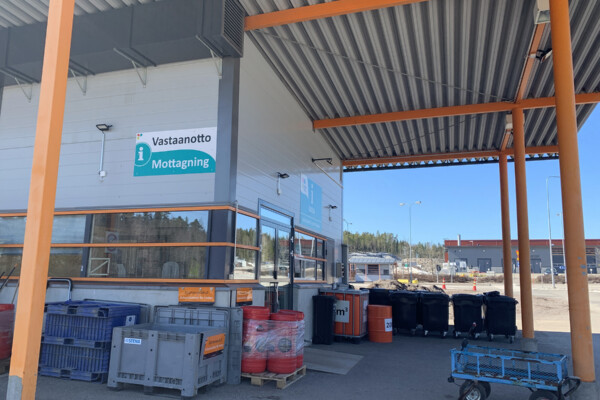
3. Take these to a waste station
Take waste that cannot be disposed of in the waste containers of your own yard or ecopoint to a waste station. These include large-scale waste, large quantities of waste and hazardous waste.
All waste stations accept passenger car and van loads.
Sorting
Sorting waste is most easily done as part of your daily routine. Peeling carrots, devouring chips, emptying a jam jar, unwrapping parcels … it only takes a moment, and the biowaste as well as the packaging materials can be put to new use through recycling.
The same goes for objects such as damaged frying pans, broken electrical appliances, dead batteries and mobile phones beyond repair — all of these can easily be stowed away for a short period of time at home before dropping them off at the correct recycling point: an ecopoint, waste station or, in some cases, a store.
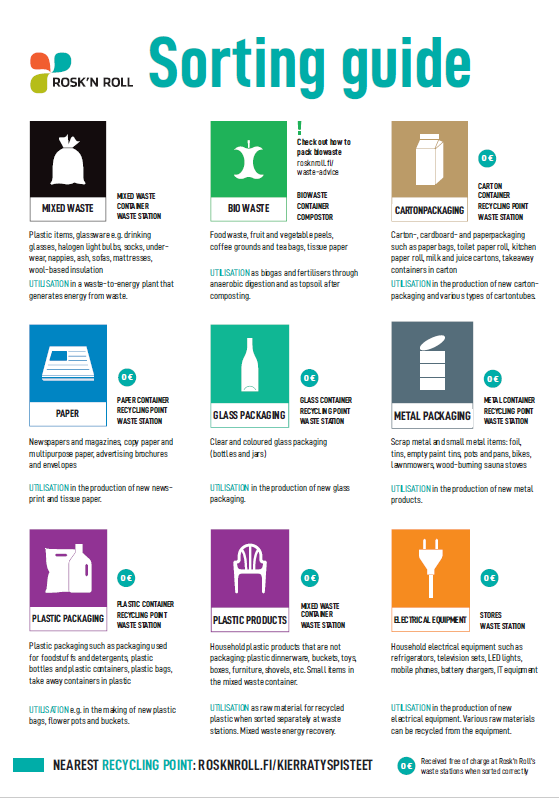
The sorting guide
The sorting guide for households helps with your daily sorting routine. Click and read online or download and print.
You can also use our sorting guide in plain language
How to handle biowaste in your home
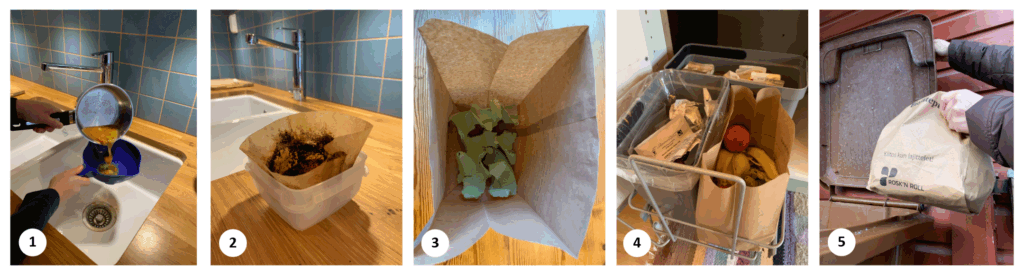
5 tips on handling biowaste
Keep your biowaste as dry as possible. It smells less, it doesn’t freeze to the sides of the waste container in winter.
- Drain liquids from the biowaste.
- Dry filter bags before placing them in the biowaste container.
- Use absorbent material (e.g. pieces of egg cartons or newspaper) at the bottom of the biowaste bag.
- Remember not to cover the biowaste that you collect in your kitchen with a lid – that just moistens it up. A sturdy paper bag can also be placed directly in the waste container.
- Take the biowaste out to the biowaste bin often enough.
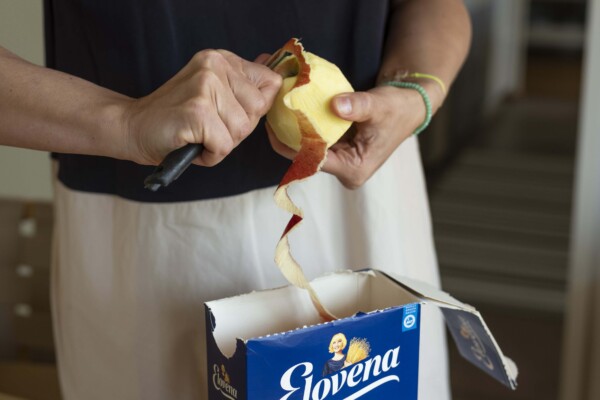
Pack your bio waste, please
Biowaste placed in the biowaste bin must be packed in a biodegradable container:
- in an empty cardboard package, e.g. a cereal box (not in plastic-coated packaging such as a milk carton)
- in an empty paper bag, e.g. a flour or sugar bag
- in a bag folded from newspaper
- in a paper or plastic biowaste bag purchased from a store
Click on the name of the waste to read more or on the waste pictogram to see examples of waste that belongs to a certain category
Deliver waste such as large-scale waste, large quantities of waste or waste types for which there is no separate waste container at the property to a waste station. These include, for example, electrical equipment, garden waste, household appliances and various types of construction waste.

MIXED WASTE
COLLECTED Mixed waste container, waste station
Subject to charge
Plastic items, glassware (e.g. drinking glasses), halogen light bulbs, socks, underwear, nappies, ash, sofas, mattresses, wool-based insulation
UTILISATION in a waste-to-energy plant that generates energy from waste.

BIOWASTE
COLLECTED Biowaste container, compostor
Subject to charge
Food waste, fruit and vegetable peels, coffee grounds and tea bags, tissue paper
UTILISATION as biogas and fertilisers through anaerobic digestion and as topsoil after composting.

CARTON PACKAGING
COLLECTED Carton container, ecopoint, waste station
Free of charge
Carton, cardboard and paper packaging such as paper bags, toilet paper roll, kitchen paper roll, milk and juice cartons, takeaway containers in carton
UTILISATION in the production of new carton packaging and various types of carton tubes.

PAPER
COLLECTED Paper container, ecopoint, waste station
Free of charge
Newspapers and magazines, copy paper and multipurpose paper, advertising brochures and envelopes
UTILISATION in the production of new newsprint and tissue paper.

GLASS PACKAGING
COLLECTED Glass container, ecopoint, waste station
Free of charge
Clear and coloured glass packaging (bottles and jars)
UTILISATION in the production of new glass.

METAL PACKAGING
COLLECTED Metal container, ecopoint, waste station
Free of charge
Scrap metal and small metal items: foil, tins, empty paint tins, pots and pans, bikes, lawnmowers, woodburning sauna stoves
UTILISATION in the production of new metal products.

PLASTIC PACKAGING
COLLECTED Plastic container, ecopoint, waste station
Free of charge
Plastic packaging such as packaging used for foodstuffs and detergents, plastic bottles and plastic containers, plastic bags, take away containers in plastic
UTILISATION e.g. in the making of new plastic bags, flower pots and buckets.

PLASTIC PRODUCTS
COLLECTED Mixed waste container, waste station
Subject to charge
Household plastic products that are not packaging: plastic dinnerware, buckets, toys, boxes, furniture, shovels, etc. Put small items in the mixed waste container.
UTILISATION as raw material for recycled plastic when sorted separately at waste stations. Mixed waste energy recovery.

ELECTRIC EQUIPMENT
COLLECTED Stores, waste station
Free of charge
Household electrical equipment such as refrigerators, television sets, LED lights, mobile phones, battery chargers, IT equipment
UTILISATION in the production of new electrical equipment. Various raw materials can be recycled from the equipment.

END OF LIFE TEXTILES
COLLECTED Waste station, copartners
Free of charge
Dry and clean, worn-out clothes and household textiles such as shirts, pants, sheets and towels. Pack in a tightly sealed waste bag.
UTILISATION as recycled fibre or cloth or reutilised.

RAKING WASTE
COLLECTED Waste station, compost.
Free of charge
Leaves from trees and bushes, weeds from gardens and flowerbeds.
UTILISATION after composting at the waste stations e.g. when shaping old disposal sites.

BRANCHES
COLLECTED Waste station
Free of charge
Branches from trees and bushes, pruning waste from woody perennials and hedgerows
UTILISATION as energy through recovery in power plants.

IMPREGNATED WOOOD
COLLECTED Waste station
Free of charge up to 1 m3
Treated wood that is used in outdoor furniture, terraces, docks, fences. Note: Telephone poles and railroad ties are always chargeable.
UTILISATION as energy through recovery in power plants specialising in dealing with hazardous substances.

WOOD WASTE
COLLECTED Waste station
Free of charge
Wooden pallets, lumber, sawn timber, painted, varnished or glued wood, wooden
furniture, boards, plywood, laminates, parquet
UTILISATION as energy through recovery in power plants.

TYRES WITHOUT RIMS
COLLECTED Waste station
Free of charge
Tyres without rims from all kinds of vehicles except for bicycle tyres. Check out all collection points at rengaskierratys.com.
UTILISATION as material for example in groundwork, noise barriers, etc.

TYRES WITH RIMS
COLLECTED Waste station
Subject to charge
Tyres with rims from all kinds of vehicles except for bicycle tyres. Check out all collection points at rengaskierratys.com.
UTILISATION as material for example in groundwork, noise barriers, etc.

HAZARDOUS WASTE
COLLECTED Waste station
Free of charge
Waste that is hazardous to people and the environment: oil, car batteries, solvents, wood preservatives, paint. Hand over in original packaging or mark the contents clearly. Close tightly.
UTILISATION as energy after thermal treatment, where the hazardous waste has been neutralised.

MEDICINE WASTE
COLLECTED Pharmacies
Expired and unused medicines, mercury thermometers. Sort the packaging, e.g. carton, according to the material.
UTILISATION as energy after thermal treatment, where the medicines has been neutralised.
Products marked with a warning sign are always hazardous waste. Read more below.


Domestic hazardous waste
Hazardous waste includes materials and items that have been removed from use and that pose a threat to or harm people’s health or the environment. For this reason, it is important that all hazardous waste is collected and handled safely.
Domestic hazardous waste can be taken to a waste station, a hazardous waste container or the circulating Otto collection.
Please contact our customer service for more information.

What to do:
- Keep hazardous waste separate from other waste. Do not mix different kinds of hazardous waste.
- Keep hazardous waste in the original packaging or label the packages clearly. Pack tightly.
- Empty packages are not hazardous waste. For example, an empty metal paint can should be sorted into metal collection.

Tape over the terminals of batteries
- Remember to tape over the terminals of batteries before bringing them in — ordinary office tape works well. This will help prevent a fire from occurring due to a short circuit.
- Many larger stores collect used batteries.
- Batteries can also be returned to the point of purchase.